
Saba Participates in International Climate Adaptation Conference from IPDC
Saba Participates in International Climate Adaptation Conference from IPDC

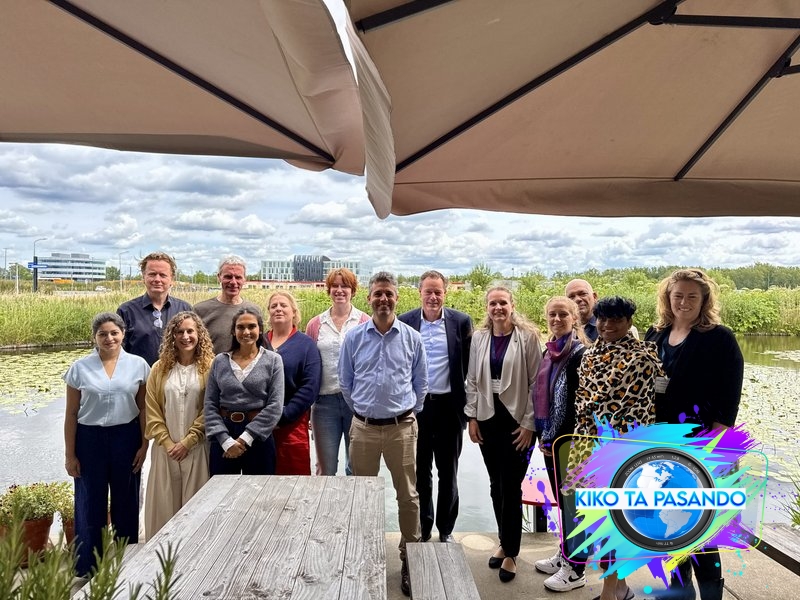
The four-day conference brought together representatives from across the European and Caribbean part of the Kingdom of the Netherlands and international delta regions to exchange knowledge, strengthen collaboration, and discuss practical approaches to building climate resilience.
The conference opened with a keynote session by Meike van Ginneken and Annemiek Nijhof, who are involved with the International Panel on Deltas and Coastal Development (IPDC) through the Water Envoy for the Kingdom of the Netherlands and Deltares. They introduced the IPDC framework and highlighted the importance of connecting knowledge, policy, and practice to support effective climate adaptation in vulnerable regions.
Representation from islands, deltas, and climate adaptation partners
The conference brought together participants from Dutch institutions working on climate adaptation, alongside representatives from all six Dutch Caribbean islands and international partners from delta regions such as Colombia, Vietnam, and Egypt.
Saba was represented by three members of the Public Entity Saba: Sarah van der Horn, Project Manager for the Nature and Environment Policy Plan (NEPP) and lead for the climate adaptation plan portfolio; Beth Chafin, Project Leader NEPP, working on the climate plan and various projects within the nature portfolio; Niké Dekkers, Project Leader NEPP and policy advisor on food security.
On the first day, each participating country and island presented their current climate adaptation situation, ongoing actions, and future ambitions.
Representing Saba, Chafin presented the development of Saba’s Climate Plan, including the stakeholder and community consultation process and the identification of flagship priorities. Dekkers followed with a presentation on Saba’s food security ambitions, highlighting ongoing projects and the importance of strengthening the supply chain, strategic stocks, and local food systems to improve self-sufficiency and resilience in the face of climate change.
Knowledge exchange and adaptation discussions
Throughout the conference, the Saba delegation actively participated in workshops focused on identifying adaption needs, connecting short-term actions to long-term perspectives and decision-making regarding climate adaptions. The sessions created opportunities for dialogue on the knowledge products developed by IPDC and allowed participants to explore the specific adaptation challenges faced by island communities. The discussions emphasized the importance of island-specific approaches, where climate risks, limited resources, and geographic conditions require tailored solutions.
Saba highlights island priorities during panel discussion
On the third day, Sarah van der Horn represented Saba during a panel discussion on climate change and adaptation strategies. She highlighted several island-specific priorities, including the vulnerability of supply chains and the impact this has on availability and high costs of goods. She also spoke about rainwater management as one of Saba’s priorities. Strengthening rainwater management is essential to reduce erosion, improve public safety, and enhance water security as climate change continues to bring heavy rain showers, longer periods of drought and increased pressure on water resources.
Continuing collaboration for Caribbean climate resilience
The final day of the conference focused specifically on the Caribbean region. A morning working session brought together the six Dutch Caribbean islands and relevant ministries to discuss the Climate Plans and agree on next steps, with the aim of maintaining momentum and strengthening cooperation. The afternoon continued with session involving Saba, Statia, Sint Maarten, Deltares, and relevant ministries in The Hague. Discussions focused on the supply chain vulnerability model and climate stress test, including key findings, implications, and possible applications to support decision-making for the islands.
The conference provided an important platform for Saba to share its experiences, learn from international partners, and continue building partnerships that support a climate-resilient future for the island.

