Mundialmente blikiamentu di koral ta tumando lugá
Mundialmente blikiamentu di koral ta tumando lugá
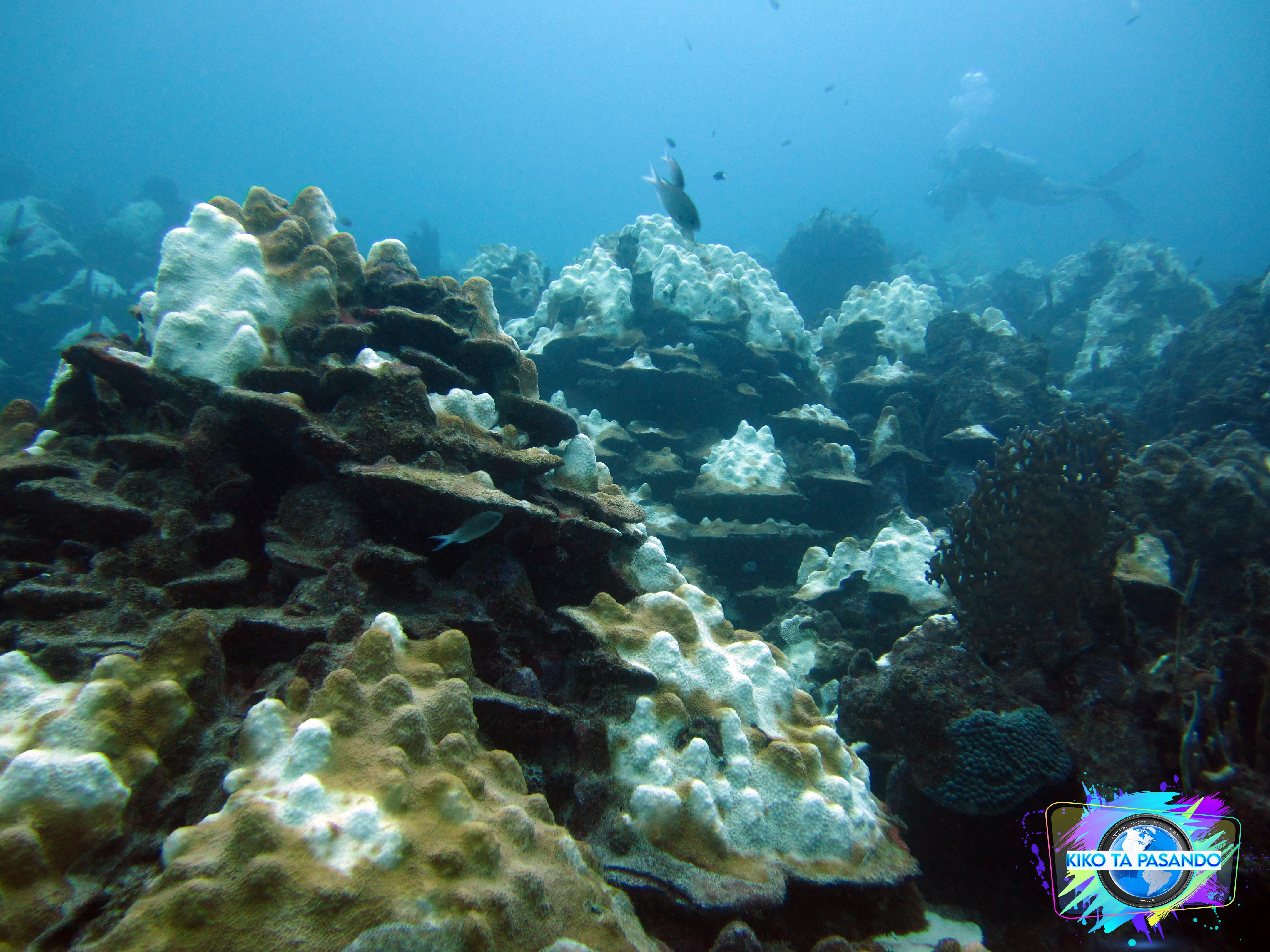
Aktualmente mundu ta eksperensiando un blikiamentu di koral ku a plama tur kaminda, e di dos blikiamentu mundial di e dékada akí, di kua ekspertonan di National Oceanic and Atmospheric Administration (NOAA) i International Coral Reef Initiative (ICRI) ta pronostiká ku esaki lo por ta mas grave ku esun di aña pasá. E ripitishon di blikiamentu ku un semehante intensidat i frekuensia ta suprayá e desafio kontinuo di kambio di klima i impakto di esaki riba biodiversidat marino den área di Karibe (Hulandes) i pafó di esaki.
Komprondé blikiamentu di koral
Blikiamentu di koral ta un fenómeno ku ta afektá ekosistemanan marino rònt mundu i ku ta keda okashoná pa faktornan di strès, manera fluktuashon di temperatura, variashon di lus òf kambio den nivel di nutriente. Bou di e sirkunstansianan ekstremo akí, e koralnan ta ekspulsá e alganan simbiótiko ku ta biba den nan tehidonan, loke ta kondusí na pèrdida di koló i vitalidat. Aunke ku koral blikiá no ta direktamente mortal, e ta bira sí mas suseptibel pa mortalidat bou di strès ku ta mas intenso i ku ta dura hopi tempu.
E kaso di blikiamentu di aña pasá, kompará ku e aña akí
Den añanan anterior refnan di koral tabata eksperensiá blikiamentu grave komo konsekuensia di temperatura inusualmente kayente di oséano. E aña akí e situashon ta parse di a bira mas grave ainda, kaminda a registrá temperaturanan mas haltu ainda, loke ta indiká un impakto ku ta posibelmente mas grave ainda pa salú di koral i indikando tambe ku e blikiamentu ta mas grandi i ekspansivo ainda. E aktual strès di temperatura ya ta andando kaba, aunke tin algun koral ku no a rekuperá nan koló maròn kompletamente bèk, despues di e suseso di aña pasá.
Implementashon di medidanan di protekshon
No opstante e desafionan ku kambio di klima ta trese kuné, e esfuersonan pa konservashon di naturalesa ta brinda un tiki speransa. Diferente organisashon den área di Karibe Hulandes ta dediká nan mes na protekshon di ref di koral pa medio di inisiativanan riba tereno di maneho di áreanan protehá, investigashon, konservashon di naturalesa, enseñansa i rekuperashon. E esfuersonan konhunto di protektornan di naturalesa, trahadónan di maneho, sientífikonan i komunidatnan lokal ta hunga un ròl krusial den preservashon di e ekosistemanan vulnerabel akí. Wak e posibilidatnan pa trabou boluntario i haña e informashonnan di kontakto pa forma parti di esakinan akinan.
Atendé ku menasanan lokal i promové resiliensia
Aparte di kambio di klima ku ta tumando lugá rònt mundu, faktornan lokal manera desaroyo no-regulá na kosta, maneho inapropiá di shushi i espesienan invasivo ta kontribuí na deterioro di ref di koral. Ademas, finansiamentu ku no ta sufisientemente duradero ta opstakulisá maneho di konservashon di naturalesa. Atendementu ku e problemanan akí, banda di esfuersonan pa protekshon i rekuperashon di ref ta esensial pa oumentá resiliensia di ekosistemanan di koral kontra faktornan di strès manera blikiamentu den futuro.
Komprondé balor di ref di koral
Ref di koral ta brinda servisio di balor inkalkulabel na tantu bida den laman, komo na komunidatnan di hende. Nan ta fungi komo barera natural ku ta protehá kosta kontra eroshon i daño di mal tempu, miéntras nan ta sostené tambe e sektornan di peskeria i turismo ku ta di vital importansia pa ekonomia i bienestar di e área karibense.
Konkluyendo
E blikiamentu kontinuo di koral ta sirbi komo un rekordatorio fuerte pa e nesesidat urgente pa atendé ku kambio di klima i impakto di esaki riba ekosistemanan marino. Pa medio di akshon kolektivo i práktikanan sostenibel nos por traha riba konservashon di e refnan di koral balioso akí pa e generashonnan di futuro.
*************************************************************************************
DCNA
Dutch Caribbean Nature Alliance (DCNA) ta sostené komunikashon (sientífiko) i ‘outreach’ den region di Karibe Hulandes pa medio di hasi informashon sientífiko relashoná ku naturalesa mas ampliamente disponibel via entre otro Dutch Caribbean Biodiversity Database, DCNA su plataforma di notisia BioNews i via prensa. E artíkulo akí ta kontené resultado di diferente proyekto (sientífiko), pero e proyektonan mes no ta proyektonan di DCNA. No por derivá ningun derecho for di e kontenido. DCNA no ta responsabel pa e kontenido i e konsekuensianan (in)direkto ku ta surgi for di publikashon di e artíkulo akí.
*************************************************************************************
Krédito di portrèt: Mark Vermeij-CARMABI- all rights reserved
Si bo ta deseá di risibí mas informashon òf tene entrevista, por fabor tuma kontakto ku:
- Aruba: info@acf.aw
- Boneiru: info@stinapa.org
- Kòrsou: media@carmabi.org
- Saba: info@sabapark.org
- Eustatius: outreach@statiapark.org
- Maarten: info@naturefoundationsxm.org
- General: research@DCNAnature.org
*************************************************************************************
Global Coral Bleaching Event Underway
The world is currently experiencing a widespread coral bleaching event, the second global bleaching event of the decade, which experts from the National Oceanic and Atmospheric Administration (NOAA) and International Coral Reef Initiative (ICRI) predict could be more severe than last year’s event. The recurrence of bleaching events with such intensity and frequency underscores the ongoing challenge of climate change and its impact on marine biodiversity in the (Dutch) Caribbean and beyond.
Understanding Coral Bleaching
Coral bleaching is a phenomenon that affects marine ecosystems worldwide, driven by stressors such as temperature fluctuations, light variations, or changes in nutrient levels. Under these extreme conditions, corals expel the symbiotic algae living within their tissues, leading to a loss of color and vitality. While bleached coral is not an immediate fatality, it becomes more susceptible to mortality under heightened and prolonged stress.
Last Year’s Bleaching Event Compared to This Year
In previous years, coral reefs experienced significant bleaching due to unusually warm ocean temperatures. This year, the situation appears to be made worse, with even warmer temperatures recorded, suggesting a potentially more severe impact on coral health and greater expansive bleaching events. The current temperature stress is already underway (earlier than usual) even though some corals have not completely recovered from last year’s event.
Protective Measures in Place
Despite the challenges posed by climate change, conservation efforts offer a glimmer of hope. Various organizations across the Dutch Caribbean are dedicated to safeguarding coral reefs through protected area management, research, conservation, education and restoration initiatives. The combined efforts of conservationists, policymakers, scientists, and local communities play a crucial role in preserving these fragile ecosystems. Explore volunteer opportunities and find contact details to get involved here.
Addressing Local Threats and Promoting Resilience
In addition to global climate change, local factors such as unregulated coastal development, inadequate waste management and invasive species contribute to coral reef degradation. Also, insufficient sustainable funding hampers conservation management. Tackling these issues alongside reef protection and restoration efforts is essential for enhancing the resilience of coral ecosystems against stressors such as future bleaching events.
Understanding the Value of Coral Reefs
Coral reefs provide invaluable services to both marine life and human communities. They act as natural barriers, protecting coastlines from erosion and storm damage, while also supporting fisheries and tourism sectors vital to the Dutch Caribbean’s economy and well-being.
In Conclusion
The ongoing coral bleaching event serves as a stark reminder of the urgent need to address climate change and its impact on marine ecosystems. Through collective action and sustainable practices, we can work towards preserving these valuable coral reefs for generations to come.
*************************************************************************************
DCNA
The Dutch Caribbean Nature Alliance (DCNA) supports (science) communication and outreach in the Dutch Caribbean region by making nature related scientific information more widely available through amongst others the Dutch Caribbean Biodiversity Database, DCNA’s news platform BioNews and through the press. This article contains the results from several (scientific) projects but the projects themselves are not DCNA projects. No rights can be derived from the content. DCNA is not liable for the content and the in(direct) impacts resulting from publishing this article.
*************************************************************************************
Photo credit: Mark Vermeij- CARMABI-all rights reserved.
If you wish to receive more information or interviews, please contact for:
- Aruba: info@acf.aw
- Bonaire: info@stinapa.org
- Curaçao: media@carmabi.org
- Saba: info@sabapark.org
- Eustatius: outreach@statiapark.org
- Maarten: info@naturefoundationsxm.org
- General: research@DCNAnature.org
************************************************************************************
Wereldwijde Koraalbleking aan de Gang
De wereld ervaart momenteel massale koraalbleking, de tweede wereldwijde bleking van het decennium, waarvan experts van de National Oceanic and Atmospheric Administration (NOAA) en International Coral Reef Initiative (ICRI) voorspellen dat deze ernstiger zou kunnen zijn dan de gebeurtenis van vorig jaar. De herhaling van koraalbleking met een dergelijke intensiteit en frequentie benadrukt de voortdurende uitdaging van klimaatverandering en de impact ervan op de mariene biodiversiteit in het (Nederlandse) Caribisch gebied en daarbuiten.
Koraalbleking
Koraalbleking is een fenomeen dat mariene ecosystemen over de hele wereld treft, veroorzaakt door stressoren zoals temperatuurschommelingen, lichtvariaties of veranderingen in nutriëntenniveaus. Onder deze extreme omstandigheden verdrijven koralen de symbiotische algen die in hun weefsels leven, wat leidt tot verlies van kleur en vitaliteit. Hoewel gebleekt koraal geen gegarandeerde dodelijke afloop heeft, wordt het vatbaarder voor sterfte onder verhoogde en langdurige stress.
Het bleekevenement van vorig jaar in vergelijking met dit jaar
In voorgaande jaren ondervonden koraalriffen aanzienlijke verbleking als gevolg van ongewoon warme oceaantemperaturen. Dit jaar lijkt de situatie te verergeren, met nog warmere temperaturen, wat wijst op een mogelijk ernstiger effect op de gezondheid van koraal en koraalbleking op grotere schaal. De huidige temperatuurstress is al begonnen (eerder dan normaal), hoewel sommige koralen nog niet volledig zijn hersteld van het verblekingsevent van vorig jaar.
Beschermende maatregelen
Ondanks de uitdagingen die de klimaatverandering met zich meebrengt, bieden de inspanningen voor natuurbehoud een sprankje hoop. Verschillende organisaties in de Nederlandse Cariben zetten zich in voor het beschermen van koraalriffen door middel van beschermd gebiedsbeheer, onderzoek, behoud, educatie en herstelinitiatieven. De gecombineerde inspanningen van natuurbeschermers, beleidsmakers, wetenschappers en lokale gemeenschappen spelen een cruciale rol bij het behoud van deze kwetsbare ecosystemen. Bekijk hier de mogelijkheden voor vrijwilligerswerk en vind contactgegevens om mee te doen.
Lokale bedreigingen aanpakken en veerkracht bevorderen
Naast de wereldwijde klimaatverandering dragen lokale factoren zoals ongereguleerde kustontwikkeling, ontoereikend afvalbeheer en invasieve soorten bij aan de aantasting van koraalriffen. Ook belemmert onvoldoende duurzame financiering het beheer van natuurbehoud. Het aanpakken van deze problemen naast inspanningen voor rif bescherming en -herstel is essentieel voor het vergroten van de veerkracht van koraalecosystemen tegen stressoren zoals toekomstige koraalbleking.
De waarde van koraalriffen
Koraalriffen leveren diensten van onschatbare waarde voor zowel het zeeleven als de menselijke gemeenschappen. Ze fungeren als natuurlijke barrières, beschermen kustlijnen tegen erosie en stormschade, terwijl ze ook de visserij- en toerismesectoren ondersteunen die van vitaal belang zijn voor de economie en het welzijn van de Nederlandse Cariben.
Conclusie
Het voortdurende koraalblekingsevenement dient als een grimmige herinnering aan de dringende noodzaak om klimaatverandering en de impact ervan op mariene ecosystemen aan te pakken. Door collectieve actie en duurzame praktijken kunnen we werken aan het behoud van deze waardevolle koraalriffen voor toekomstige generaties.
**********************************************************************************
DCNA
De Dutch Caribbean Nature Alliance (DCNA) ondersteunt (wetenschaps) communicatie en outreach in de Nederlandse Caribische regio door natuur-gerelateerde (wetenschappelijke) informatie breder beschikbaar te maken via onder meer de Dutch Caribbean Biodiversity Database, DCNA’s nieuwsplatform BioNews en de pers. Dit artikel bevat de resultaten van verschillende (wetenschappelijke) projecten, maar de projecten zelf zijn geen DCNA-projecten. Aan de inhoud kunnen geen rechten worden ontleend. DCNA is niet aansprakelijk voor de inhoud en de indirecte gevolgen die voortvloeien uit het publiceren van dit artikel.
**********************************************************************************
Foto credit: Mark Vermeij- CARMABI (Alle rechten voorbehouden)
Als je meer informatie of interviews wilt, neem dan contact op met:
- Aruba: info@acf.aw
- Bonaire: info@stinapa.org
- Curaçao: media@carmabi.org
- Saba: info@sabapark.org
- Eustatius: outreach@statiapark.org
- Maarten: info@naturefoundationsxm.org
- General: research@DCNAnature.org
**********************************************************************************


