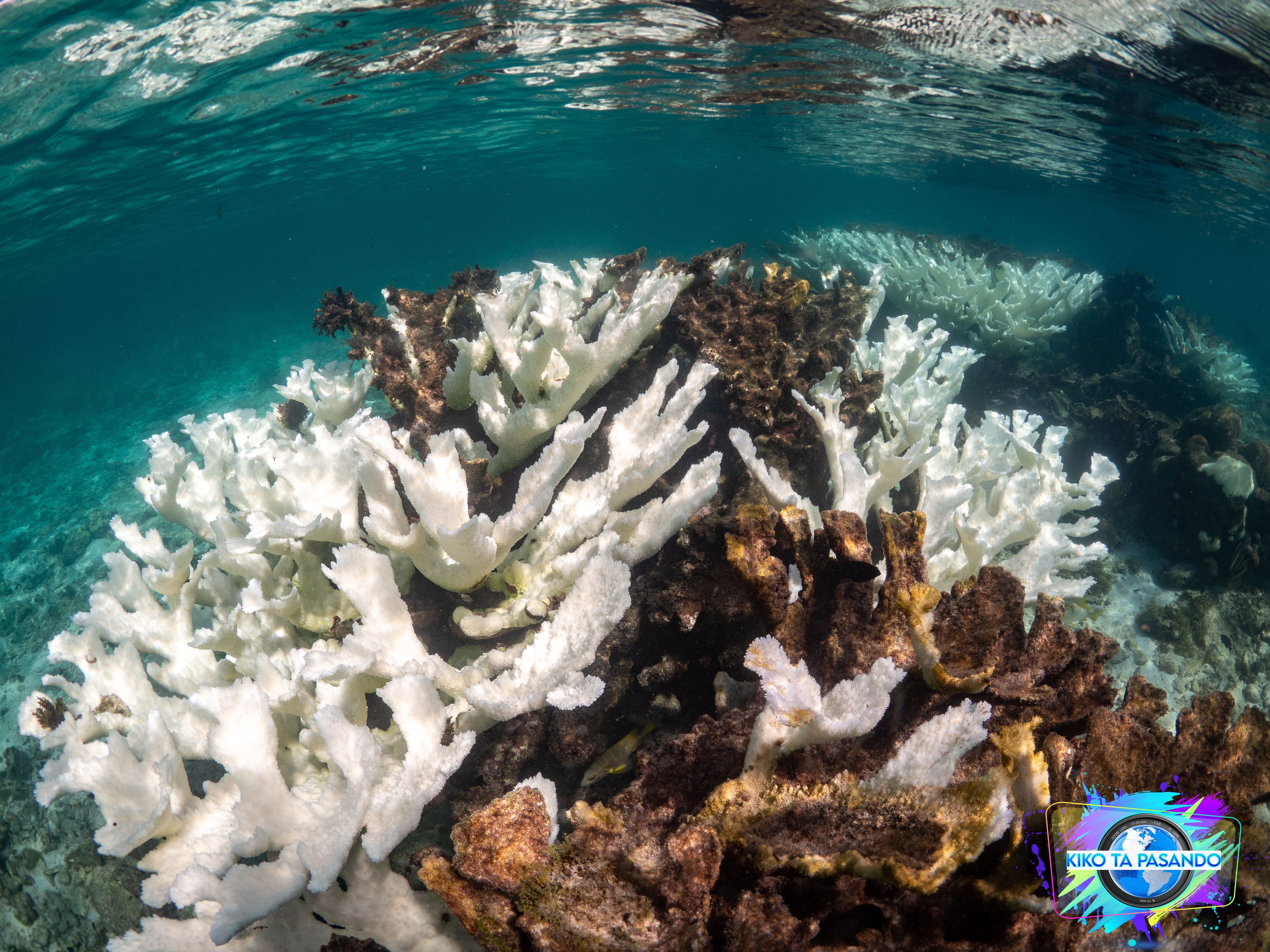
Strengthening Bonaire’s Coral Reefs Amidst Unprecedented Bleaching
Strengthening Bonaire’s Coral Reefs Amidst Unprecedented Bleaching
SUMMARY
● Caribbean coral reefs, including Bonaire’s, have experienced unprecedented bleaching in the
past two years, driven by record-high ocean temperatures that threaten the survival of nearly all
species in the region.
● Reef Renewal Foundation Bonaire (RRFB) is growing heat-resilient corals to strengthen
vulnerable populations and help them survive mounting challenges.
● To scale up its response to bleaching, disease, and hurricanes, RRFB urgently needs land to
establish an on-land breeding and fragmentation lab.
(Bonaire, Dutch Caribbean) In the past two years, coral reefs in the South Caribbean have faced
significant challenges. Record-high ocean temperatures in 2023 and 2024— the hottest two consecutive
years on record—have triggered severe coral bleaching across the region.1
According to a 7-year study by STINAPA Bonaire, the percentage of corals affected by thermal stress
rose dramatically from 25% in 2016 to over 80% in 2023 (Eckrich et al., 2024).2 The scale of bleaching is
evident across reefs around the island, with widespread impacts on nearly every coral species.
The scale of bleaching over the past 2 years is nothing short of unprecedented. Coupled with the spread
of Stony Coral Tissue Loss Disease (SCTLD), first detected on the island in March 2023, Bonaire’s once
thriving reefs are now under extraordinary pressure.
In response, Reef Renewal Foundation Bonaire (RRFB) is working to strengthen coral populations at a
biological level and build resilience against these threats.
“Selective propagation allows us to pinpoint coral strains that demonstrate natural tolerance to
stress, and multiply them through fragmentation and breeding,” explains Sanne Tuijten, Science
Officer for RRFB.
During peak bleaching season, RRFB ramps up monitoring efforts to identify resilient coral colonies.
Between October and December, their team spent over 150 hours surveying 25 reef sites around the
island in search of “super corals.” Once identified, they are grown in nurseries, outplanted to the reef,
and integrated into RRFB’s coral breeding program to pass on their resilient traits to the next
generation.
Contact: Caitie Reza
caitie@reefrenewalbonaire.org
While these efforts have made a significant impact, RRFB urgently needs an on-land nursery facility to
combat bleaching, disease, and other stressors effectively.
“An on-land facility is not just about expanding our breeding and fragmentation work—it’s about
having the tools to act quickly and effectively now that our reefs are under threat,” says Tuijten.
“Without it, our ability to respond to crises is severely limited.”
Equipped with seawater tanks, this facility would provide a controlled environment for coral breeding,
fragmentation, and research. It would also allow for the emergency relocation of coral during storms or
disease outbreaks. The facility would serve as an educational hub, hosting researchers and student
groups to advance restoration efforts.
Many coral restoration organizations across the Caribbean have already established on-land facilities.
Although RRFB has the funding and blueprints for a Bonaire facility, finding and securing suitable coastal
land has been a major hurdle for several years.
As bleaching, disease, and other challenges threaten Caribbean reefs, RRFB’s work is more important
than ever. The organization continues to adapt, innovate, and refine its techniques, including selective
propagation, to strengthen vulnerable coral populations. With community support, RRFB can lay the
groundwork for a more resilient future for Bonaire’s coral reefs.
Sources
1. National Oceanic and Atmospheric Administration (NOAA) Coral Reef Watch – Daily Global 5km
Satellite Coral Bleaching Heat Stress Alert Area (2024)
2. STINAPA Bonaire – Coral Bleaching in the Bonaire National Marine Park from 2016 – 2023
(Eckrich et al., 2024)
3. Staatscommissie Demografische Ontwikkelingen Caribisch Nederland 2050 (2024)


