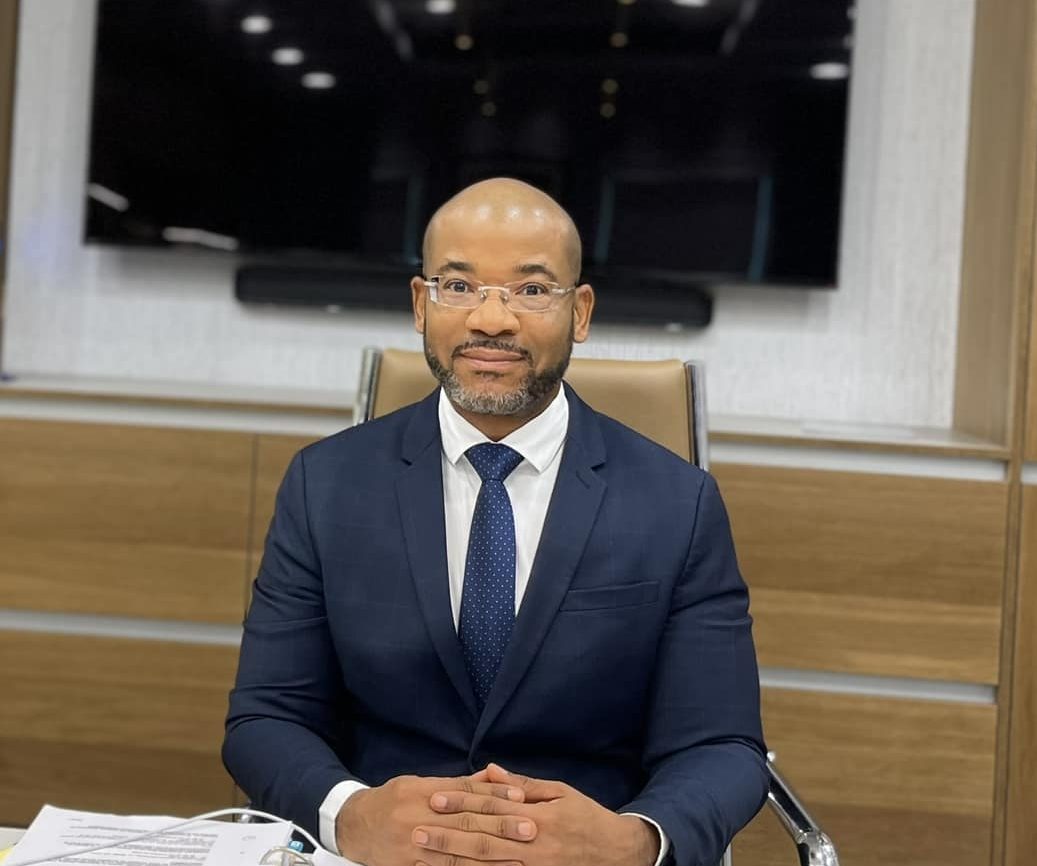
Speech by the Minister of Health, Environment, and Nature Coral Happy Hour FundraiserFebruary 25, 2025

Speech by the Minister of Health, Environment, and Nature
Coral Happy Hour Fundraiser
February 25, 2025
Ladies and gentlemen,
It is a privilege to address you tonight at the Coral Happy Hour
Fundraiser, a remarkable initiative by the Branch Coral
Foundation. This event not only highlights the incredible work
being done to protect Curaçao’s coral reefs but also reminds us
of the shared responsibility we have to preserve these
ecosystems for future generations.
Coral reefs are the rainforests of the ocean, covering less than
1% of the ocean floor yet supporting over 25% of marine life.
Globally, they contribute an estimated $375 billion annually to
the economy through tourism, fisheries, and coastal protection.
For Curaçao, these reefs are vital. They shield our coastlines,
provide food, and are the foundation of our tourism industry.
Yet, these ecosystems are in crisis. Over the past decade, the
world has lost approximately 14% of its coral reefs. Here in
Curaçao, the decline has been equally dramatic. Coral
coverage, once at 70% in the 1980s, has dropped to just 14%
today. This alarming loss is driven by climate change, pollution,
overfishing, and diseases such as Stony Coral Tissue Loss
Disease, which claimed 28% of Curaçao’s reefs in 2024 alone.
Despite these challenges, hope shines through the efforts of
organizations like the Branch Coral Foundation. Their work in
coral restoration has been transformative. They have
successfully cultivated and replanted thousands of coral
fragments, and I was proud to grant the necessary permit for
them to expand into cultivating a second coral species, Diploria
labyrinthiformis (“Hersenkoraal”). This diversification
strengthens the resilience of our reefs, ensuring they are better
equipped to face future threats.
But our efforts must go beyond restoration. They must
encompass long-term strategies that address the root causes
of biodiversity loss. That is why our Nature Policy Plan (NPP)
2024–2030, adopted last year, is so crucial.
This strategic framework provides a comprehensive roadmap
for ensuring the protection and sustainable use of Curaçao’s
natural resources, both on land and underwater. It is structured
around three key objectives:
1. Reducing threats to biodiversity by combating habitat
destruction, pollution, and the impacts of climate change.
This includes creating additional protected areas to
ensure at least 30% of Curaçao’s land and marine
environments are effectively managed and preserved by
2030.
2. Sustainable management of natural resources to
balance human activity with ecological preservation. This
involves integrating nature into spatial and economic
planning, promoting sustainable fisheries, and
encouraging green infrastructure development.
3. Equipping Curaçao with tools for effective
implementation through improved monitoring systems,
strengthened legal frameworks, and the establishment of
a committee to oversee the plan’s execution.
The NPP aligns with international biodiversity targets, such as
the Kunming-Montreal Global Biodiversity Framework, and
reflects Curaçao’s commitment to the global “30 by 30” target of
protecting 30% of the planet’s land and marine ecosystems by
2030.
This plan is already driving tangible initiatives:
• Mangrove restoration projects to protect coastlines and
provide marine habitats.
• Measures to reduce land-based pollution, improving water
quality critical for coral health.
• The expansion of coral nurseries using advanced
techniques like microfragmentation.
However, the NPP is not just about policies and programs—it is
a call to action for every citizen. Public awareness and
education are vital. The public must not only understand the
gravity of the challenges we face but also be inspired to
become active participants in preserving our natural heritage,
both above and below water.
To achieve this, we are investing in communication campaigns,
educational programs in schools, and citizen science initiatives
to engage the community. By involving people in conservation
efforts, such as reef monitoring and clean-up activities, we
foster a sense of collective ownership and responsibility.
We are also focusing on solutions that can make a real
difference. For example, we are developing legislation to
protect critical species such as parrotfish, conch (Karko), and
mangroves. These species and habitats are vital to maintaining
ecological balance and enhancing resilience against climate
change. Alongside this, we are strengthening enforcement
mechanisms to ensure compliance with these protections.
Furthermore, we must address the disruptive impacts of coastal
development and the flow of wastewater and sediment into the
sea after heavy rains. Our current water treatment
infrastructure remains insufficient, and it is critical that we
accelerate efforts to improve wastewater management. Without
addressing these sources of pollution, the health of our coral
reefs will continue to decline.
Tourism, one of Curaçao’s strongest economic pillars, is deeply
tied to the health of our natural environment. Visitors come to
experience the vibrancy of our reefs and marine life. Without
these ecosystems, we risk not only environmental degradation
but also significant economic losses. By protecting our reefs,
we are safeguarding our livelihoods.
Tonight, I invite each of you to join us in this mission. Whether
by volunteering, supporting local initiatives, or simply spreading
awareness, we all have a role to play. Together, we can create
a Curaçao where development and conservation coexist in
harmony.
In closing, I would like to thank the Branch Coral Foundation for
their extraordinary contributions over the years. Your work is an
inspiration to us all, and I look forward to seeing what we can
achieve together. Let us move forward united, not just as a
government or as organizations, but as a community committed
to preserving the natural wonders of Curaçao.
Thank you